
RINNEPARTNERS
22/09/2025
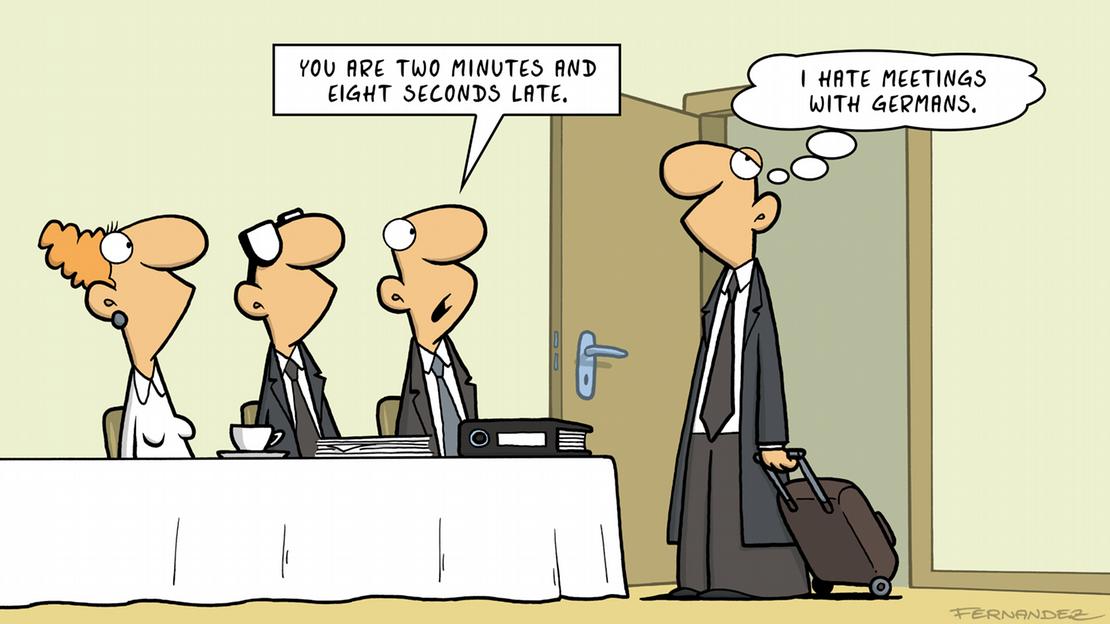
Germany represents the largest economy in Europe with a GDP of €3.8 trillion. For B2B SaaS and tech companies, this market offers substantial opportunity. But opportunity alone doesn't guarantee success.
Over 80% of German B2B buyers research vendors online before making contact. They do their homework. They take their time. And they expect vendors to understand their market.
Here's the challenge: Success rates for foreign tech companies without local presence sit below 30%. The barrier isn't just language. It's cultural expectations, buying behavior, and operational requirements that differ significantly from US or UK markets.
Many companies underestimate what it takes to win in Germany. They translate their website, attend a trade show, and wonder why leads don't convert. The reality is more complex.
German buyers value relationships over features. They prioritize long-term partnerships over quick transactions. They demand proof and references before committing. And they expect vendors to invest in understanding their market.
This guide walks you through practical entry strategies for the German B2B market. You'll learn about market characteristics, legal requirements, and three distinct go-to-market approaches. We'll compare costs, timelines, and success factors for each option.
You'll also get actionable checklists you can use to plan your entry. And we'll address the single most important factor: having local sales resources who understand German business culture and bring existing networks.
By the end, you'll have a clear framework to match your company's stage, resources, and timeline to the right market entry strategy.
The German enterprise software market is worth €28 billion annually. This makes it the largest tech market in Europe and fourth globally after the US, China, and Japan.
But here's what many companies miss: 99.5% of German businesses are SMEs, known locally as the Mittelstand. These are small and medium-sized enterprises that form the backbone of the German economy. Many are family-owned, profitable, and have been operating for decades.
The Mittelstand is different from American SMBs. These companies often lead their niche globally. They invest in quality and long-term solutions. And they have the budget to back it up.
Average sales cycles in Germany run 6-9 months, compared to 3-4 months in the US market. This isn't inefficiency. It's thorough evaluation. German buyers involve more stakeholders and conduct deeper due diligence before committing.
Key verticals offer the strongest opportunities: manufacturing, automotive, financial services, and logistics. Germany remains a manufacturing powerhouse, and these companies actively seek digital transformation solutions.
German B2B buying decisions involve an average of 7 stakeholders. Compare this to 4-5 in US markets. Each stakeholder wants to understand your solution from their perspective.
Risk aversion is higher than in Anglo-Saxon markets. German buyers need proof of concept. They want case studies from similar companies. They request references they can actually call. Don't expect someone to buy based on your pitch deck and product demo.
The preference for long-term partnerships over quick wins shapes every interaction. German buyers aren't looking for the newest, flashiest solution. They want a vendor who will be around in five years. They value stability and proven track records.
Data privacy and GDPR compliance aren't negotiable. They're baseline requirements. If your data processing happens outside the EU, expect tough questions. Many German companies prefer or require data residency within Germany.
Quality trumps speed in evaluation processes. German buyers take time to evaluate thoroughly. They read documentation. They test extensively. They compare alternatives systematically. Rushing them backfires.
54% of German B2B buyers favor German providers when quality and features are comparable. This isn't pure nationalism. It's about trust, support expectations, and cultural alignment.
Established relationships matter more than newer features. A German company using a local vendor for 10 years won't switch just because your product has better UI. You need a compelling business case that accounts for switching costs and risk.
Price sensitivity is lower than you might expect. German buyers will pay more for reliability, quality support, and proven solutions. Competing on price alone positions you as a commodity.
Consider how major US tech companies approached Germany. Salesforce invested heavily in German offices, local teams, and German data centers before gaining significant market share. SAP's success came from being German first. Even Microsoft maintains substantial German operations to serve this market.
Your competition includes well-funded German startups, established local vendors, and other international players who've already made local investments. Standing out requires more than a good product.
Most foreign companies entering Germany establish a GmbH, which stands for Gesellschaft mit beschränkter Haftung. This is roughly equivalent to a limited liability company.
A GmbH requires minimum capital of €25,000. You need to deposit this with a German bank before registration completes. This capital remains in the company and can be used for operations.
The alternative is a branch office of your foreign entity. This requires less capital but offers less liability protection. Your parent company remains fully liable for the branch's obligations.
Most B2B SaaS companies choose the GmbH structure. It provides clear liability separation, is well understood by German customers and partners, and offers tax planning flexibility.
Registration takes 4-8 weeks on average. You'll need a German business address, articles of association, and notarized documents. Working with a local attorney who handles corporate formation saves significant time.
GDPR compliance is mandatory but German interpretations can be stricter than other EU countries. Data residency matters. Processing agreements must be airtight. German data protection authorities conduct audits and issue fines.
German bookkeeping standards under HGB (Handelsgesetzbuch) differ from US GAAP. You need a German tax advisor, not just your US accounting firm. Invoice requirements, VAT handling, and financial reporting all have specific local rules.
Works councils and co-determination laws affect companies with more than five employees. Employees gain specific rights regarding workplace decisions. Termination procedures differ significantly from US at-will employment.
German employment contracts include notice periods, typically three months. Severance expectations exist even without cause termination. You can't just fire someone with two weeks notice like in many US states.
VAT registration becomes mandatory once you exceed certain thresholds or establish a permanent presence. Cross-border B2B sales within the EU use reverse charge mechanisms. Get this wrong and you face penalties plus back taxes.
Software licensing regulations in Germany include specific provisions around SaaS arrangements. Your standard US terms of service may need modification for German contract law.
Open source compliance requirements are taken seriously. German courts have enforced GPL violations. If your software includes open source components, ensure your licensing compliance is clean.
Trademark and patent registration in Germany or the EU provides stronger protection than relying on US registrations alone. The cost is modest compared to the risk of infringement claims or losing your brand name in the German market.
Direct market entry means establishing your own legal entity, hiring a local team, and building operations from the ground up. This is the highest investment option but gives you full control.
Timeline to profitability: 12-18 months. Initial investment: €250,000-€500,000. These numbers assume you're hiring a small team and taking a measured approach.
You'll need to establish your GmbH, find office space, hire sales and support staff, and build local infrastructure. Add marketing investments, legal and accounting services, and working capital.
This approach works best for companies with over €5 million in annual recurring revenue who can commit to the German market long-term. You need the financial runway to sustain 12-18 months of investment before seeing returns.
The advantages are clear: You control your operations completely. You build direct customer relationships. You own your brand building and market positioning. There's no partner to misrepresent your product or compete with your priorities.
The challenges are equally clear: High upfront costs with delayed returns. Recruitment is difficult because top German B2B sales talent is in high demand. Ramp-up time is long as your team learns your product and builds pipeline.
You'll also face a cultural learning curve. Your US-based leaders may not understand German buyer behavior initially. Mistakes in positioning, pricing, or sales approach waste time and money.
Partner and reseller networks let you leverage existing companies with German customer relationships. You provide the product. They provide market access and sales capabilities.
Timeline to first revenue: 6-12 months. Initial investment: €50,000-€150,000. The investment covers partner recruitment, training, support materials, and ongoing partner management.
You identify qualified partners who already serve your target customer base. This might be systems integrators, managed service providers, or complementary software vendors. You negotiate revenue sharing agreements, typically giving partners 20-30% margin.
This approach works for companies testing market fit without huge resource commitments. It's also viable for products that benefit from implementation services or local support that partners can provide.
The advantages: You leverage existing relationships that took years to build. Your risk is lower because you're not hiring employees or signing long-term leases. Market access comes faster than building from zero.
The challenges: You have less control over customer experience. How your partner presents, sells, and supports your product affects your brand. You depend on their priorities. If they have ten vendor relationships, you're competing for their attention.
Margin sharing reduces your profitability. A deal that would generate €50,000 in annual contract value becomes €35,000 after partner margin. This affects your unit economics and growth projections.
Outsourced sales agencies provide trained sales professionals with German market knowledge on a contract basis. You get local sales capabilities without hiring employees.
Timeline to qualified pipeline: 3-6 months. Initial investment: €30,000-€100,000. This covers agency fees during the pilot period plus supporting marketing materials and tools.
These agencies specialize in B2B sales in specific sectors. They employ experienced sales professionals with existing networks in your target accounts. They understand German business culture and buyer behavior.
Payment models vary. Some agencies work on retainer plus commission. Others use pure performance-based pricing. Typical engagements start with a 3-6 month pilot with clear KPIs around meetings, pipeline, and closed deals.
This approach works for companies wanting quick market validation with minimal risk. It's ideal if you need to test messaging, pricing, and product-market fit before making larger commitments.
The advantages are compelling: This is the fastest route to market. You get local expertise and networks immediately. The agency handles cultural and language barriers. Scaling is flexible - you can expand or contract based on results.
You avoid HR overhead including payroll, benefits, and German employment regulations. There are no long-term commitments or severance obligations. If the pilot doesn't work, you stop with minimal sunk costs.
Perhaps most important: These agencies bring existing relationships with target accounts. Cold outreach in Germany is difficult. Warm introductions from known contacts dramatically improve response rates.
The challenges exist but are manageable: You have less direct control than with in-house staff. The agency represents multiple clients, so you're not their only priority. You need clear communication protocols and regular alignment.
However, for most companies entering Germany, outsourced sales offers the best risk-reward ratio. You can always transition to a direct team later once you've proven the market and understand what works.
Local sales resources are non-negotiable for German market success. You cannot sell effectively from the US or UK into Germany.
German buyers expect German-speaking representatives. Yes, many German executives speak English. But business negotiations happen in German. Complex technical discussions happen in German. Contract reviews happen in German.
The trust factor is quantifiable: 68% of German B2B buyers prefer working with local contacts according to recent market research. A sales representative with a German phone number, German email address, and German business card immediately increases credibility.
Time zone alignment matters for responsive communication. German buyers expect responses during their business day. If your sales team is 6-9 hours behind, every question takes a day to answer. This kills momentum.
Understanding local business practices separates successful reps from struggling ones. How do German companies make decisions? Who needs to be involved? What proof points matter most? How do you navigate their procurement processes?
Access to established networks provides the foundation for pipeline development. German business culture values warm introductions and referrals. A sales rep with 10 years in the German manufacturing sector brings relationships your company could never build quickly.
In-house sales teams give you dedicated resources but require significant investment and time.
Average base salary for a German B2B sales representative: €70,000-€90,000. Add commission at target (typically 50-100% of base for enterprise sales) and you're at €105,000-€180,000 in on-target earnings.
But that's not your total cost. Add employer social contributions (about 20%), benefits, equipment, and travel budget. Total first-year cost per rep: €120,000-€150,000.
Recruitment timeline for qualified B2B sellers: 3-6 months. The German job market is competitive. Good sales reps with relevant sector experience have options. You're competing with established companies for talent.
Ramp time to productivity: 4-6 months after hire. Your new rep needs to learn your product, understand your positioning, and build pipeline. Don't expect significant deals in their first six months.
You also need HR infrastructure, payroll services, benefits administration, and compliance support. This overhead adds complexity and cost, especially for your first German employee.
Outsourced sales agencies provide an alternative: You get experienced reps immediately. No recruitment process. No ramp time for market knowledge because they already have it.
These agencies employ reps with pre-existing networks in your target accounts. Someone calling a prospect they've known for five years gets better response than cold outreach from an unknown company.
The agencies have proven track records in your sector. They've sold similar products to similar customers. They know what messaging works and what objections to expect.
There's no hiring risk. If a rep isn't performing, the agency replaces them. You're not stuck with a bad hire while going through German employment termination procedures.
Performance-based pricing aligns incentives. When the agency only gets paid for results, they're motivated to find what works. You're not carrying fixed salary costs while testing the market.
Typical engagement structure: 3-6 month pilot with clear KPIs. You define success metrics: qualified meetings per month, pipeline generated, deal velocity. After the pilot, you evaluate results and decide whether to expand, adjust, or pivot.
Website translation is necessary but not sufficient. You need transcreation, which means adapting content for cultural context, not just converting words.
German business communication is more formal than American. Your casual, friendly US copy may seem unprofessional. German buyers expect clear, factual information without hype or exaggeration.
A German domain (.de) increases trust by 40% according to localization studies. German buyers perceive .com domains as foreign companies who aren't committed to the market. The cost of a .de domain is minimal. The credibility boost is significant.
Case studies with German companies are essential. A case study from a US customer doesn't carry the same weight. German buyers want to see that companies like theirs, in their market, with their constraints, have succeeded with your solution.
LinkedIn remains the primary B2B channel with 16 million German users. But XING, with 20 million German users, is often overlooked by foreign companies. Many German professionals, especially in the Mittelstand, use XING more actively than LinkedIn.
Trade shows and industry events remain important in Germany. CeBIT (technology), DMEXCO (digital marketing), and industry-specific events drive substantial B2B activity. Germans attend trade shows to evaluate vendors and build relationships.
Content marketing needs German-language assets: blog posts, whitepapers, webinars. Machine translation isn't good enough. German readers spot it immediately and question your seriousness about the market.
German-language support channels are required, not nice-to-have. Expecting German customers to submit support tickets in English limits who will buy from you.
Response time expectations: within 4 hours during business hours for B2B support. German buyers pay for reliable support and expect fast, professional responses.
Documentation and training materials must be in German. Your product might be in English (though German UI is preferable). But implementation guides, admin documentation, and training materials need German versions.
Local phone numbers increase conversion by 25%. A toll-free German number shows commitment. It makes contacting you easy. And it suggests you have local operations, even if calls route to a central team.
Consider support hours that cover German business hours. If your support team is US-based and only available during US daytime, German customers submit tickets that sit for 12+ hours overnight.
Start by validating product-market fit through customer interviews. Conduct 10-15 conversations with German prospects in your target segment. Ask about their current solutions, pain points, buying process, and decision criteria.
Identify your top 3 target verticals and company size segments. You can't be everything to everyone, especially as a new entrant. Focus on segments where your solution provides clear differentiation.
Analyze 5-10 direct competitors already operating in the German market. Study their positioning, pricing, customer case studies, and market presence. Identify gaps you can exploit.
Calculate your total addressable market and realistic penetration rates. Don't assume you can capture 10% of a huge market in year one. Model conservative scenarios based on sales capacity and buyer behavior.
Define success metrics and timeline expectations. What does success look like in 6 months, 12 months, 18 months? How much pipeline, how many customers, what revenue? Get alignment with leadership on what justifies continued investment.
Engage a German tax advisor and legal counsel early. Don't use your US lawyer for German corporate law. Find professionals with experience in your industry who work with foreign companies regularly.
Decide on your business structure. For most B2B SaaS companies, a GmbH makes sense. But confirm this matches your specific situation regarding liability, tax, and long-term plans.
Register your entity and obtain tax identification numbers. This process takes 4-8 weeks. Start early because you need it completed before you can invoice German customers properly.
Set up a German bank account and payment processing. Many German companies prefer bank transfer (SEPA) over credit cards. Having a German bank account simplifies invoicing and payments.
Ensure GDPR compliance for all data handling. Document where data is processed and stored. Create data processing agreements. Understand your obligations as a data controller or processor.
Establish your German website presence and local phone numbers. These are your market-facing assets that signal commitment and professionalism.
Make your critical decision: direct hire, agency partnership, or hybrid approach. This choice affects everything else.
If outsourcing sales, vet 3-5 agencies thoroughly. Check references from other B2B SaaS companies they've represented. Ask about their networks in your target accounts. Review their track record in your sector. Start with a pilot engagement with your top choice.
If hiring direct, engage a recruitment firm with B2B tech experience. Plan for a 4-6 month timeline from job posting to productive employee. Budget for higher compensation than you initially expect.
Localize your core marketing materials. Prioritize website, case studies, and sales presentations. These are customer-facing assets that directly affect conversion.
Create a German content strategy. Plan blog posts, LinkedIn content, and possibly industry publication articles. Content builds awareness and credibility over time.
Identify relevant trade shows and register early. Major events require 6-12 month lead times for good booth locations. Budget not just for booth space but also for travel, materials, and staff time.
Launch outbound campaigns through your local sales resources. Whether agency or in-house, your German team should drive outbound prospecting, not your US team.
Attend industry events and network systematically. Trade shows, conferences, and local meetups all provide relationship-building opportunities. The German market runs on relationships.
Develop your first 3-5 German customer references. These are worth more than anything else for accelerating sales. Potential customers will want to speak with them.
Refine your messaging based on market feedback. What resonates? What objections keep appearing? How do German buyers describe their problems differently than US buyers?
Track metrics rigorously: meetings booked per week, pipeline generated, conversion rates, sales cycle length. Compare actuals to projections and understand variances.
Adjust your strategy based on early results. If a particular vertical responds better, double down. If your pricing seems off, test alternatives. Market entry requires iteration.
Germany offers substantial opportunity for B2B SaaS companies willing to invest in doing it right. The market is large, sophisticated, and growing. German companies actively seek digital transformation solutions.
But success requires a localized approach. Timeline to meaningful revenue ranges from 6-18 months depending on your strategy. Companies that rush or underinvest typically fail.
Local sales presence is non-negotiable. You must have people on the ground who speak the language, understand the culture, and bring existing networks. This is the single biggest factor separating successful entries from failed ones.
You have three viable paths: direct entry with your own team, partner networks, or outsourced sales agencies. Each has appropriate use cases based on your company stage, resources, and timeline.
Direct entry works for larger companies with significant resources and long-term commitment. Partners work when your solution benefits from integration or implementation services. Outsourced sales offers the fastest, lowest-risk validation for most companies.
Success requires patience, cultural adaptation, and local expertise. German buyers take longer to decide but become loyal, valuable customers. The sales cycles are longer but deal sizes often larger. The market rewards quality and relationship building.
Your decision framework should match entry strategy to your situation. A company doing €2 million ARR shouldn't build a direct team. A company doing €20 million ARR can consider full direct entry. Most companies in between should start with outsourced sales or partners.
The companies that succeed in Germany share common traits: they respect the market's differences, they invest in local presence, they build relationships patiently, and they adapt their approach based on feedback.
Navigating German market entry requires local expertise and the right strategy for your situation. We specialize in helping B2B SaaS companies establish and grow their presence in Germany.
Our team connects you with vetted local sales resources who bring existing networks in your target accounts. We help you avoid costly mistakes and accelerate your path to revenue.
We offer a 30-minute consultation to assess your German market readiness. We'll discuss your product, target customers, and current stage. Then we'll recommend the entry strategy that matches your situation and timeline.
There's no obligation and no hard sell. We want to provide value whether we work together or not. If you're serious about Germany, let's talk about the right approach for your company.
Contact us to schedule your consultation.
Give our newly released quiz game a try. Select your home market and Germany as your target and in just 5 minutes of answering a few quiz-styled questions, it'll give you a score at the end and whether you should go for it or not. It'll also give you actionable insights based on the answers you provided. Give it a try!

Deciding between hiring your own sales team or outsourcing sales is crucial when entering European markets. Each approach offers unique benefits and potential pitfalls.

Expanding into European markets brings tremendous opportunities for tech companies. However, successful entry requires careful planning and awareness of common hurdles.